How To
Measure your bags against the ticket, not the luggage label
Check cabin size, weight, piece count and partner-airline rules before leaving home.
Start here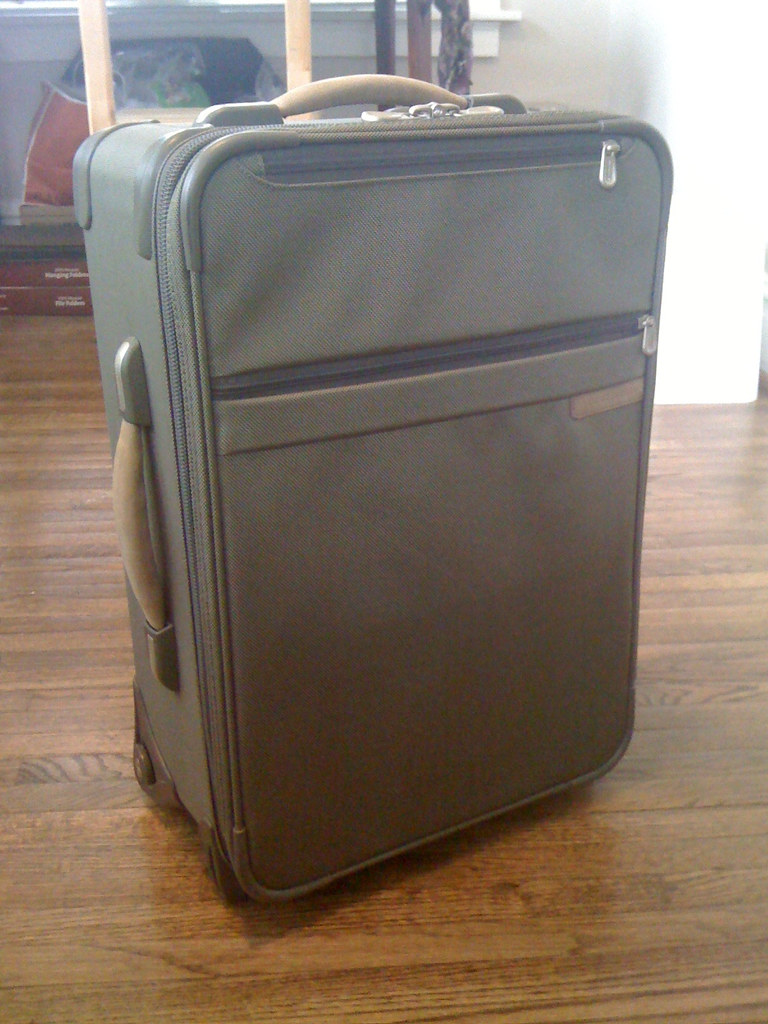
See the guide at a glance
Build an allowance sheet for the itinerary
A suitcase labelled “carry-on” has no universal airline approval. Reddit passengers repeatedly find that product dimensions exclude wheels, a packed bag is heavier than expected, or two partner airlines describe different allowances. Start with the booking confirmation and operating airlines, then write the rules for each leg in one place.
Separate personal item, overhead carry-on and checked baggage. For each, record the number of pieces, outside dimensions, weight limit and included price. Note whether a cabin weight limit applies to one bag or the combined cabin items. If two sources disagree, ask the ticketing carrier to identify the applicable allowance for that exact itinerary and keep the response.
Measure the packed bag honestly
Use the bag as you intend to travel with it. Fill the pockets, close the zips without forcing them and measure the widest outside points, including protruding wheels and handles. A removable accessory still occupies space while attached. Take a photograph of the measurement if you want a reference for future trips; it does not override an airport measurement.
As one specific example, American Airlines publishes a carry-on maximum of 22 × 14 × 9 inches including wheels and handles, and a separate personal-item maximum of 18 × 14 × 8 inches. These are American’s limits, not a global standard. Other operators or aircraft may impose different restrictions.
- Measure height, width and depth at the widest points after packing.
- Weigh the bag with every charger, camera, laptop and accessory included.
- If the limit is combined, weigh all cabin items together.
- Leave some margin for items you will add on the return; do not depend on an unpromised tolerance.
Count pieces before reaching the gate
A small purse and a backpack may still be two pieces. Decide where each loose item will go while boarding. Pack a jacket, shopping bag or camera pouch inside the permitted bags if the operator counts it separately. Check exemptions for medical equipment and child-related items with the carrier instead of assuming every small extra item is exempt.
For photography travel, weigh the equipment first. It is easier to decide whether an additional lens is worth carrying at home than to reorganise expensive gear at the counter. Keep the packing decision based on the actual limit, not anecdotes about whether agents usually weigh bags.
Untangle codeshares without guessing
The logo on the purchase page, the airline code in the flight number and the aircraft operator can differ. Baggage rules on multi-airline tickets can be more complex than simply using the largest allowance seen on any partner’s website. Ask which allowance is recorded on the ticket and whether it applies through the journey, including the return.
Do not mix a weight allowance with a piece allowance. “Two bags up to a specified weight each” is a different promise from “one total weight allowance.” If you are on separate tickets, check each ticket independently and ask whether you must collect and recheck bags. This guide does not provide a universal most-significant-carrier formula.
Calculate excess baggage before deciding to pay
Look for extra-piece, overweight and oversize charges separately. A charge may be attached to each bag rather than to the reservation. Use the airline’s calculator or written quote for your route and booking; old Reddit prices are evidence of confusion, not a current tariff.
Compare the legitimate options: reduce the load, redistribute it within each person’s allowance, purchase the appropriate baggage product, or use a smaller bag. Redistribution only helps when every resulting bag and passenger still complies. Never solve a weight issue by moving prohibited cabin items into checked baggage or placing spare lithium batteries in the hold.
Pack for an unexpected gate check
Even a compliant cabin bag may need to travel in the hold because of space or aircraft constraints. Keep a small removable pouch ready with documents, essential medicine, valuables and spare lithium batteries or power banks. FAA guidance requires spare lithium batteries and power banks to stay in the cabin if the bag is gate-checked.
Before handing over the bag, ask where it will be returned: aircraft door or baggage claim. Read the tag, keep the receipt and follow crew instructions on stowage. The useful outcome is a compliant bag and a quick transfer plan, not an argument that a bag fitted a different aircraft last year.
Official sources
Checked October 22, 2026. Confirm the requirements for your airline, route and travel date before departure.
Passenger questions behind this guide
These Reddit discussions identify problems passengers reported. Advice in replies is not treated as an official rule.