Checklist
Check your passport, ticket name and transit documents before you fly
A route-by-route document audit that separates name formatting, passport validity and permission to transit.
Start here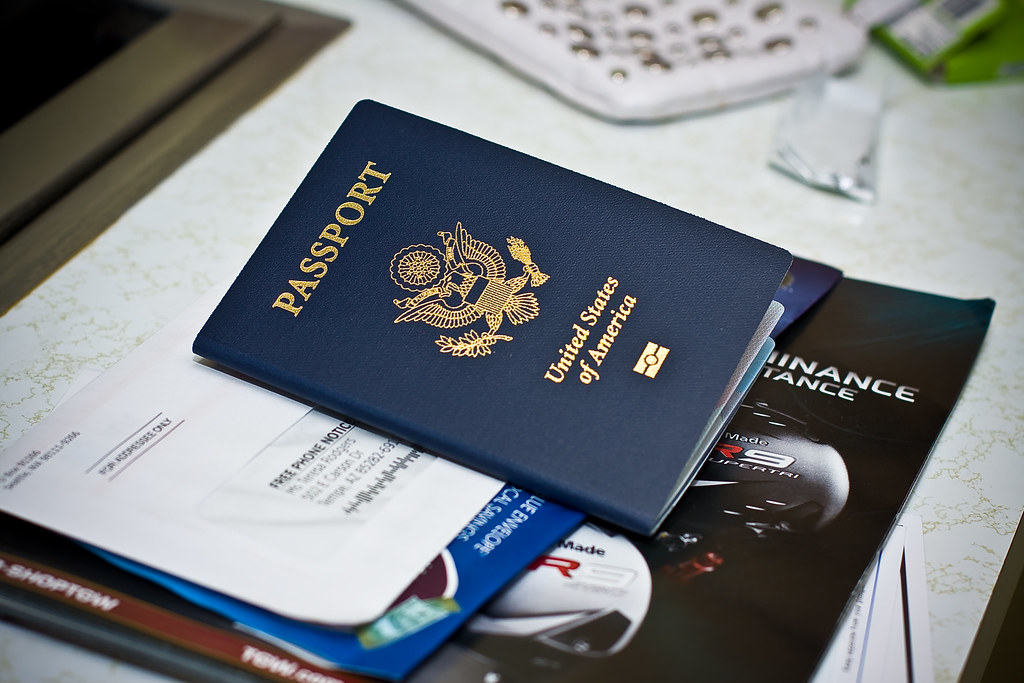
See the guide at a glance
Check the passenger and the route together
A document answer without nationality, passport details and the complete route is usually incomplete. Before asking anyone for help, write the passport-issuing country, relevant residence status, every connecting country, airports, travel dates and whether the tickets are separate. Use secure official channels when sharing passport data; a public forum does not need the document number or a photograph of the identity page.
The recurring Reddit problem is an apparently minor mismatch discovered just before departure. Some involve harmless-looking formatting, while others involve a different surname or an unrecognised transit requirement. Treat those as separate questions rather than accepting a generic “you will be fine.”
Resolve real name errors before check-in
Place the passport beside the booking and compare the given names and surname fields. If you used a nickname, put initials into an empty surname field or booked under a different surname, contact the ticket issuer and airline for their correction procedure. Do not invent a new naming convention for a single-name passport. Ask how that carrier requires the document to be entered.
A merged name, omitted space or appended title on a display is not automatically the same as incorrect stored passenger data. Ask the issuer to verify the underlying name record and document information. Request written confirmation of the action taken. Do not cancel and repurchase solely because an online comment says it is necessary; first establish the actual error, correction options and cost.
Check two passport dates, not one
The expiry date and issue date can both matter. For the relevant non-EU traveller rules, Your Europe describes a passport issued within the previous ten years and valid for at least three months after intended departure. Exact requirements and exceptions should be checked with the destination’s authorities; this is not a worldwide “three months is enough” rule.
Put your entry date, planned exit date, issue date and expiry date on one timeline. Read whether the destination counts validity from arrival or departure. Distinguish a recommended buffer from a legal minimum. If a renewal is needed, investigate the issuing authority’s process before committing to further non-refundable arrangements.
Treat each connection as its own document check
A connection is not automatically document-free. Canada says the required transit document depends on factors including nationality, travel document and method of travel. UK guidance distinguishes transit that crosses border control from transit that remains airside. Use the appropriate official checker with your actual circumstances.
Ask the airline or airport whether this connection requires collecting bags, changing airports or passing border control. Separate bookings deserve particular attention because a booking website may simply have combined two flights. If you cannot establish that you can complete the transfer with the documents held, resolve the route before departure.
- List every country on the outbound and return journeys, including connections.
- Confirm the actual transfer procedure and whether border control is involved.
- Check each authority’s current document requirement and relevant exemptions.
- Save the official result or guidance and any carrier response with the itinerary.
Prepare evidence of the next step
Where onward-travel proof is required, have the genuine onward itinerary available offline and ensure it matches the stay you plan. A separate airline booking can be harder for the first carrier to see automatically, so keep its confirmation accessible. The relevant destination rules determine what evidence is acceptable; do not assume every bus booking or refundable reservation will qualify.
Also check the approved visa or authorisation itself: the name, passport number, validity dates and allowed entries. Approval in an email does not excuse a wrong detail. If a discrepancy appears, use the issuing authority’s correction process. Do not edit an approval document yourself.
If staff and your research disagree
Explain the complete route and ask which specific requirement is not satisfied. Present the official guidance that applies to your nationality and circumstances, and ask for a document-check supervisor if the discrepancy remains. Keep records of the explanation and any proposed alternative. An online guide cannot promise boarding or a compensation outcome.
The goal is to remove uncertainty before the travel day. Leave yourself time to obtain an answer from the issuer or change the itinerary rather than relying on a last-minute exception.
Official sources
- DOT: Buying a Ticket
- Your Europe: Travel documents for non-EU nationals
- UK government: Visa to pass through the UK in transit
- Canada: Who needs a transit visa
Checked October 22, 2026. Confirm the requirements for your airline, route and travel date before departure.
Passenger questions behind this guide
These Reddit discussions identify problems passengers reported. Advice in replies is not treated as an official rule.
- First name on flight ticket is a shortened version of the name on my passport
- Passport vs Airline Ticket Name Mismatch – US Travel
- Travel agent put Mrs as my middle name, insists it is fine
- 6 Month Passport Rule EU
- Messed up transit visa
- Denied boarding / Involuntarily Offloaded due to visa restrictions that I do not need
- One way flight - will I be refused entry / allowed on the plane?