Guide
How to handle seat swaps, reclining and shared cabin space
A practical way to protect your comfort without turning a cramped flight into an argument.
Start here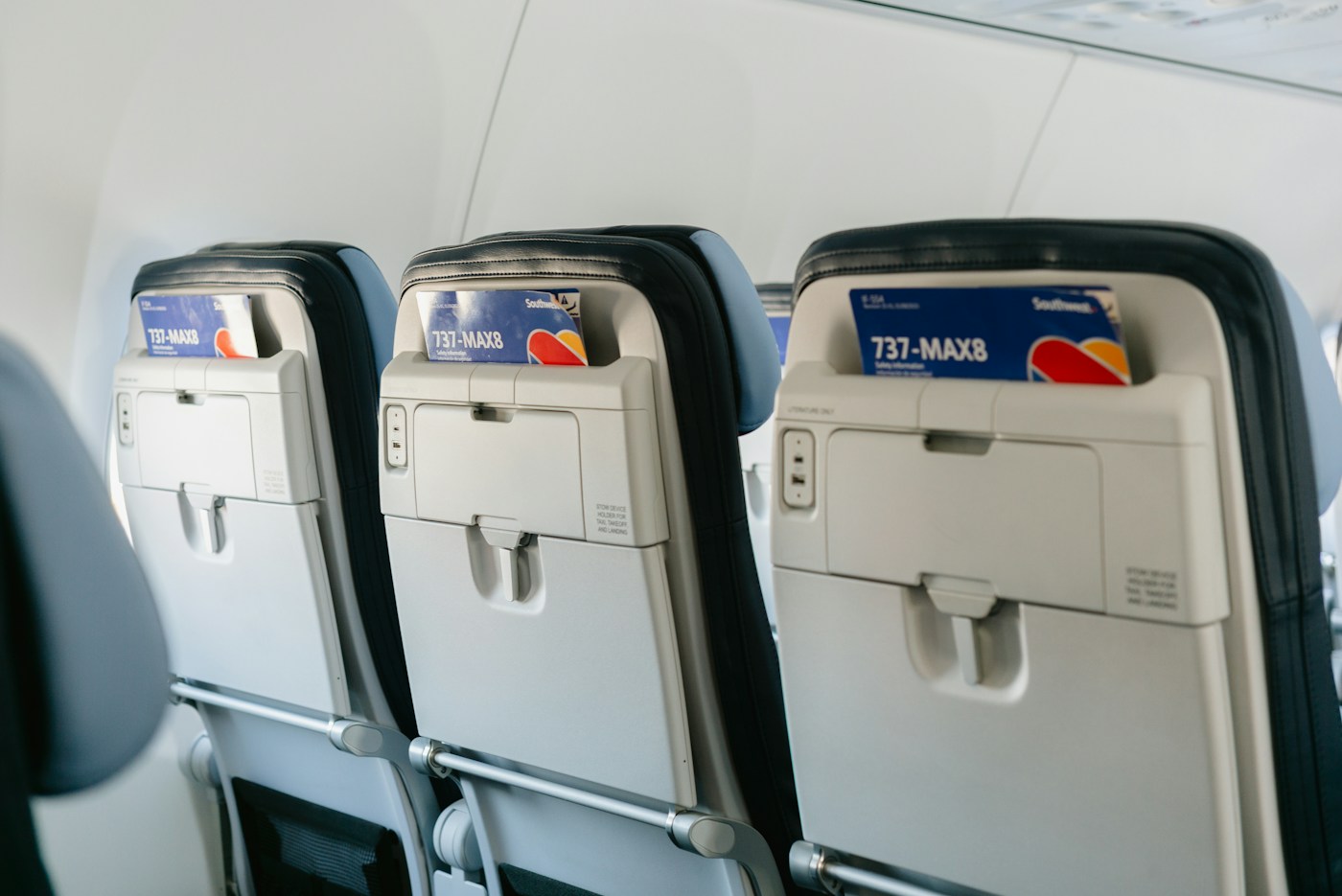
See the guide at a glance
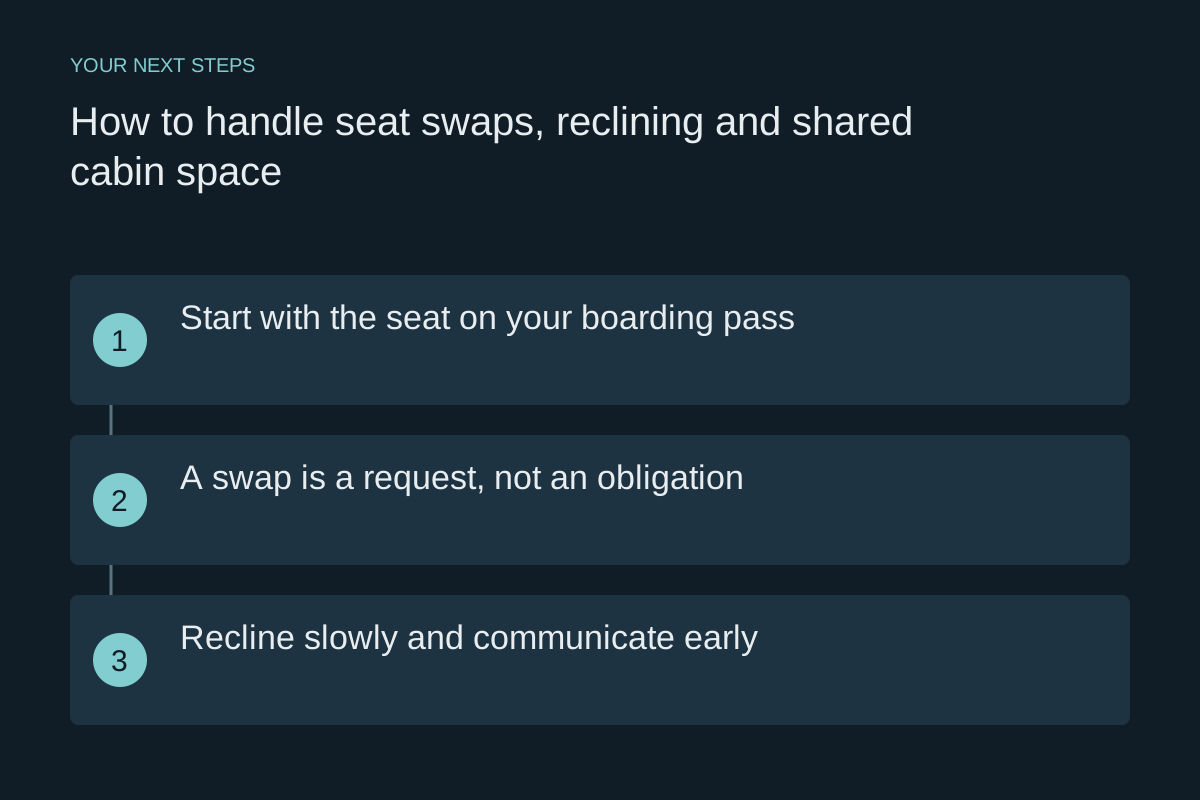
Start with the seat on your boarding pass
A boarding pass gives everyone a clear starting point. If someone is in your seat, compare the row and letter before assuming bad intent. A misread number is easy to fix. Say, ‘I think this is my assigned seat; could we check our boarding passes?’ Keep the aisle clear while you sort it out. If the passenger refuses, let a flight attendant resolve the assignment rather than trying to move the person or their belongings.
A Reddit discussion about an occupied seat illustrates how a small boarding disagreement can turn into a second dispute about personal space. Treat those as separate requests. First establish the correct seat; then explain the remaining comfort issue. Cabin crew can assess what is actually possible on that flight.
A swap is a request, not an obligation
You can decline an optional passenger request without explaining your medical history, anxiety or travel plans. A brief ‘No, thank you; I am keeping this seat’ is enough. If you would consider a swap, ask for the exact row and seat letter before agreeing. An aisle seat several rows back is different from a middle seat, a seat with restricted recline, or one separated from your companion.
When asking someone else, offer your own seat and describe it accurately. Ask once and accept the answer. Do not move into the desired seat before the other passenger arrives. If a child needs to sit with a caregiver, ask staff to solve the seating problem; an informal swap may not account for restraint placement or other cabin requirements. Follow crew instructions about any move, including into an apparently empty seat.
Recline slowly and communicate early
Reclining is a physical movement into a shared space. Before moving, look behind you for a meal tray, laptop or obvious obstruction, then recline gradually. If the seat does not move, do not force it. A short warning gives the passenger behind time to move their belongings. Return your seat to the required position when the crew instructs you.
If a seat presses painfully into your knees, describe the specific problem rather than arguing about who deserves to be comfortable. Ask whether there is a workable adjustment or another available seat. Do not kick, shove, hold the seat mechanism or deliberately spill something. Crew involvement is appropriate when a practical request has failed; it does not guarantee an upgrade or a different seat on a full aircraft.
Share armrests without inventing universal rules
The middle-seat passenger often has the least room, so leaving them usable armrest space is considerate. That is etiquette, not a universal legal allocation. Try a direct request such as ‘Could we share this armrest?’ Keep elbows, feet, blankets and bags within your own space. Couples seated on either side of a stranger should avoid passing objects or holding conversations across that person throughout the flight.
For repeated seat kicking, speakerphone audio or intrusive behavior, make one calm, specific request if you feel comfortable doing so. If it continues, call the crew. Describe what is happening and the seat location. You do not need to film an argument or recruit nearby passengers to win it.
Plan rest and movement together
Not everyone can sleep upright, even with a pillow. Give yourself permission to rest with your eyes closed instead of treating sleep as a test you must pass. Prepare quiet offline entertainment, use headphones at a comfortable volume, and leave your seat belt visible over your blanket so crew can check it without unnecessary disturbance. Keep announcements audible and pause entertainment for the safety briefing.
On a long flight, move your legs while seated and walk when conditions and crew instructions permit. CDC advises travelers with clot risk factors to discuss prevention with their clinician; a generic internet tip is not a personalized medical plan. Never walk during a seat-belt restriction just to meet a movement target. If you develop concerning symptoms such as chest pain or difficulty breathing, tell the crew immediately rather than assuming ordinary travel discomfort.
The short version
A useful cabin request names the problem, proposes a small change and leaves room for the other person to respond. ‘Your bag is against my feet; could you move it under your seat?’ works better than a speech about manners. If there is no workable compromise, bring in cabin crew before the disagreement escalates.
- Check the assigned seat and clarify any proposed swap.
- Make one calm request about the specific discomfort.
- Follow the crew’s seating, recline and seat-belt instructions.
- Ask crew for help if the problem persists or feels unsafe.
Official sources
Checked October 22, 2026. Confirm the requirements for your airline, route and travel date before departure.
Passenger questions behind this guide
These Reddit discussions identify problems passengers reported. Advice in replies is not treated as an official rule.