How To
Travel with prescription medicine without losing access to it
Organise country permissions, original labels and a practical cabin plan before an international trip.
Start here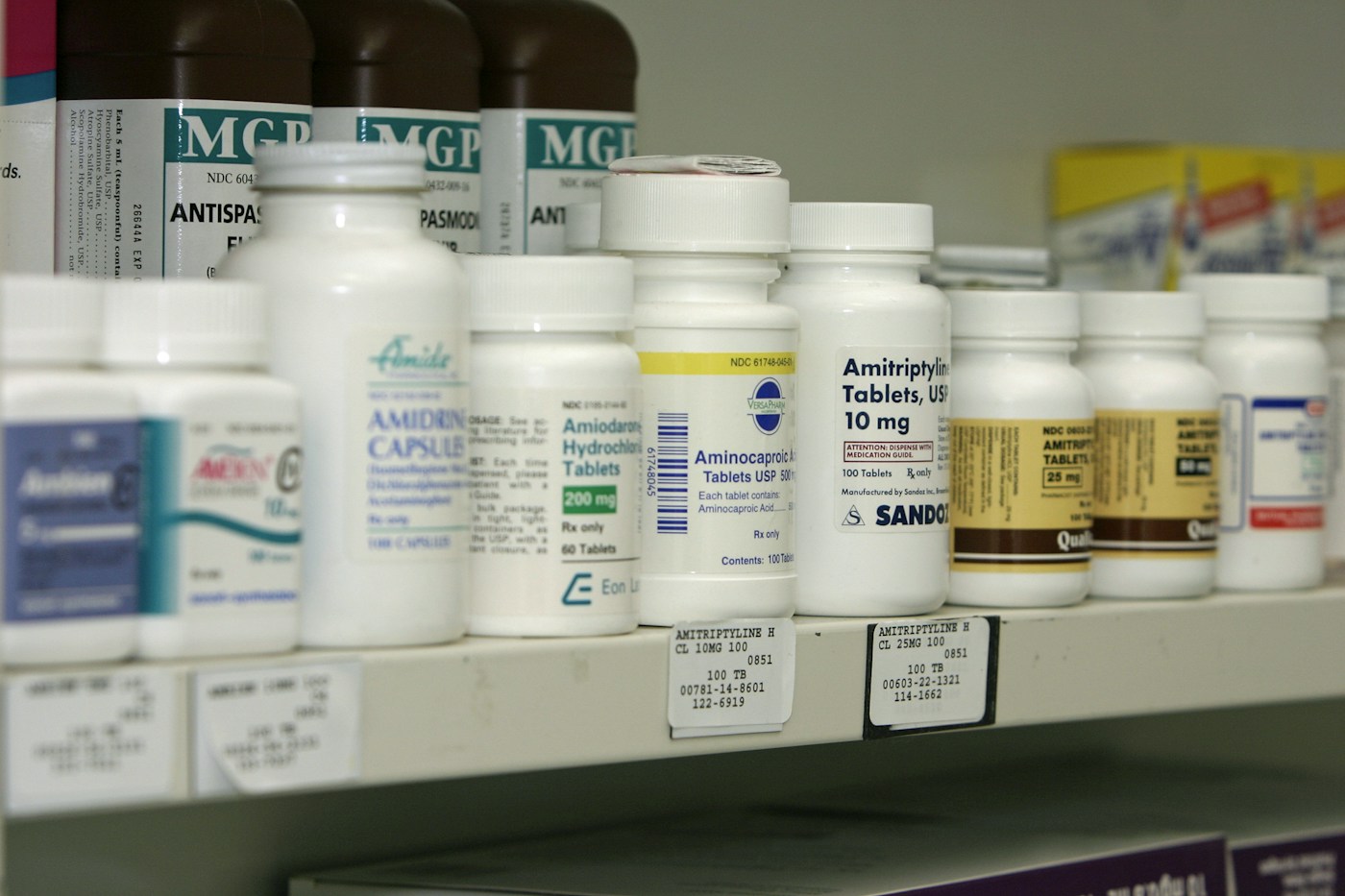
See the guide at a glance
Separate security screening from permission to import
Passing airport security does not establish that a medicine is legal in the destination. CDC guidance warns that medicines available at home may be prohibited or restricted elsewhere, including common prescriptions and some over-the-counter products. Check each destination and relevant transit country using official information and the medicine’s generic name.
Reddit threads often contain reassuring personal stories about unlabelled pills or controlled drugs. Those stories cannot answer whether your medicine, quantity and route comply. The useful starting point is an inventory you can take to your clinician, pharmacist and the appropriate government contact, not a prediction about whether a bag will be searched.
Make one medication record before asking for advice
Write the generic and brand names, strength, form, prescribed dose, intended quantity and length of travel. Add any device or supply needed to take the medicine. Do not change the dose, stop a treatment or replace it with an unfamiliar product to simplify packing. Discuss any proposed treatment change with the prescribing professional.
Ask the destination authority what documentation or permission is required for that exact medicine. A doctor’s letter explains the treatment but does not automatically override an import restriction. If permission is required, allow time to obtain it and check the approved quantity against what you plan to carry.
- Create a list of medicines and supplies, including non-prescription products you intend to take.
- Check official import rules for the destination and transit route; retain the relevant answer.
- Ask the prescribing professional for required documentation and a travel plan for dosing and storage.
- Check that each approval, prescription and label identifies the medicine and traveller consistently.
Preserve identification when space is tight
CDC recommends original labelled containers and copies of prescriptions. If bulky packaging is a problem, ask your pharmacist how to retain appropriate original identification in a smaller travel supply that remains consistent with destination requirements. A photograph of a label is a useful backup, but it may not replace required packaging or documents.
Avoid mixing several unidentified medicines in one reused bottle. Keep medication records accessible without handing over an unlocked phone containing unrelated personal information. A paper copy and a secure offline copy give you alternatives if the phone is unavailable. Keep another copy with a trusted contact if you want help replacing lost information.
Plan for delay without exceeding import limits
Ask the prescriber and pharmacist how much additional supply is appropriate for foreseeable travel disruption. Then check that the total remains within the country’s quantity rules and any permission granted. Do not apply a forum recommendation to double the supply if doing so would exceed the permitted amount.
If refrigeration, injection equipment or temperature limits matter, obtain specific instructions from the healthcare professional and manufacturer. Discuss the planned journey, including time on the ground and delayed connections. Do not assume an aircraft refrigerator, hotel minibar or improvised ice pack will provide the required conditions. Arrange any airline assistance needed in advance.
Keep essential supplies accessible in the cabin
CDC advises keeping medicines in carry-on baggage so a delayed checked bag does not separate you from them. Pack the journey’s essential supplies where you can remove them quickly if a larger bag must be checked. Check the airline’s policy for medical equipment and additional medical bags; do not assume an ordinary bag becomes exempt merely by placing medicine in it.
For US screening, TSA describes an exception to ordinary liquid limits for medically necessary liquids. Follow its screening instructions and identify the items to staff. Other countries have their own procedures. Keep routine cosmetics separate so the medical supplies are easy to identify and handle.
Prepare a realistic replacement plan
Before leaving, save the prescribing professional’s contact details, your insurer’s assistance number if applicable and the destination’s emergency contact arrangements. Ask how you should obtain advice if a supply is lost, damaged or inaccessible. A pharmacy abroad may use a different product name, and availability is not guaranteed.
If replacement becomes necessary, seek qualified local medical or pharmacy help using the generic name and original records. Do not buy loose tablets from an unverified seller or borrow another passenger’s medicine. This guide concerns travel organisation; your clinician should decide dosing, substitutions and what to do after a missed dose.
Official sources
- CDC: Traveling Abroad with Medicine
- CDC Yellow Book 2026: Traveling with Prohibited or Restricted Medications
- CDC Yellow Book: What To Do When Sick Abroad
- TSA: Travel Tips
Checked October 22, 2026. Confirm the requirements for your airline, route and travel date before departure.
Passenger questions behind this guide
These Reddit discussions identify problems passengers reported. Advice in replies is not treated as an official rule.